Showing posts with label food. Show all posts

Thursday, May 23, 2013

Francqui Prize for Olivier De Schutter


This year the Francqui Prize, a prestigious Belgian scholarly and scientific prize named after Émile Francqui,  will go to Olivier De Schutter, professor at the Université Catholique de Louvain and UN Special Rapporteur on the Right to Food, for his work on the international human rights, the European integration and the governance-theory.

Tuesday, May 14, 2013

Eetbare graffiti


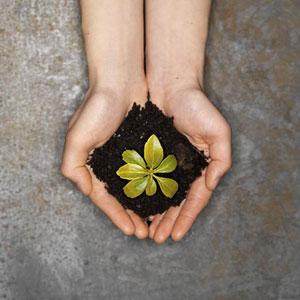
Vandaag hebben de Jong Socialisten plantjes losgelaten in het centrum van Leuven, dit om aandacht te vragen voor meer (eetbaar) groen in de stad. Vooral veel jonge radijsplantjes, courgettes, tomaat en braamstruiken werden aan voorbijgangers aangereikt en op openbare plaatsen gezet. Hierbij wordt iedereen uitgenodigd om plantjes mee naar huis te nemen en ze te laten groeien zodat men van de oogst kan genieten.

Sunday, May 5, 2013

EU overweegt om de teelt van groenten en fruit reguleren

Binnen de Europese Commissie werkt men momenteel aan een nieuwe regelgeving die al dan niet het verkoop van zaden zal reguleren.

Vorige jaar in juli besliste het Europese Hof van Justitie al dat alleen door Europa gecertificeerde zaden nog verkocht mogen worden. Tot nu toe is het voor kleinschalige tuinders en hobbyisten nog toegelaten om zaden vrijelijk te delen, zij zijn nog een uitzondering op de vernoemde uitspraak, maar de nieuwe regelgeving zou dit kunnen verbieden.

Tuesday, April 2, 2013

Food prises decrease but stay high


Voedselprijzen zijn de afgelopen 6 maanden wereldwijd gedaald, maar liggen nog altijd dicht bij hun historische hoogtepunt. Dat stelt de Wereldbank in een rapport. De ontwikkelingsbank waarschuwt ook voor de volksgezondheid (deredactie.be)

Thursday, December 13, 2012

Nieuws voor november

Naast het overzicht rond Ford Genk, zijn hier  nog een aantal andere nieuwsitems van de voorbije maand die ik interessant vond, maar waar ik spijtig genoeg onvoldoende tijd voor heb kunnen vrijmaken om het te bespreken:

Bananen


Na 20 jaar komt er een einde aan de internationale bananenoorlog. Bananen zijn al twee decennia lang een twistappel tussen de EU en elf Latijns-Amerikaanse landen, maar aan de bananenoorlog komt nu een einde met een langverwacht akkoord dat ondertekend is bij de Wereldhandelsorganisatie (WTO) in Genève.

Door het akkoord dat nu is ondertekend, zal de importtaks die de EU heft op bananen, dalen van 176 euro per ton naar 114 euro in 2017. Ook de Verenigde Staten zijn betrokken.

Onzichtbare hand, zei u? Vrije markt, zei u? Lokale economie, zei u?

Meer:
  • Bananenoorlog na 20 jaar ten einde (deredactie.be, 9 november 2012)
  • Liberalization of Trade and the Right to Food (Wim, 7 mei 2012)
  • Europa maakt einde aan bananenoorlog met Latijns-Amerika (De Morgen, 3 februari 2011)
  • Bananenoorlog allicht nog niet voorbij! (Bart Staes, 3 februari 2011)
  • Einde van de bananenoorlog: wie wint en wie verliest? (Europees parlement, 24 januari 2011)
  • Bananenoorlog (EUabc, 2001 ???)


Denemarken wil "vettaks" weer afschaffen


De Deense regering wil weer af van de belasting op vetrijke voeding. De hogere prijzen veroorzaken een hoge inflatie, wat dan weer slecht is voor de economie, luidt het. Ook plannen voor een belasting op producten met veel suikers, zouden sneuvelen.

Nochtans leek het een zeer interessante manier en boeiend experiment om de oplopende ziektekosten te betalen en de bevolking te motiveren om gezonder te eten. Jammer dat dit de duimen moet leggen, ik vind het moeilijk om te aanvaarden dat dit concept echt onmogelijk zou zijn, is er dan echt geen alternatief?

Meer:

Nog geen akkoord over de Griekse hulp


Na uren nachtelijk onderhandelen is de Eurogroep zonder resultaat uiteengegaan. Volgende week maandag gaan de gesprekken voort. (deredactie.be, 21 november 2012)

Nederlandse componist Simeon ten Holt overleden


Ten Holt is vooral bekend van het werk "Canto ostinato", dat hij in 1976 afrondde. Hij was 89 jaar oud. (deredactie.be, 26 november 2012)

"Leugens van ArcelorMittal zijn verpletterend"


De Franse minister voor Industriële Vernieuwing wil de staalreus niet meer in zijn land. "Het bedrijf respecteert Frankrijk niet." (deredactie.be, 26 november 2012)

Meer:
  • "Leugens van ArcelorMittal zijn verpletterend" (deredactie.be, 26 november 2012)
  • Staalbedrijf NLMK La Louvière is voorlopig gered (deredactie.be, 5 december 2012)
  • Niet enkel Ford Genk: meer dan 20.000 jobs worden geschrapt! (Wim, 4 november 2012)

Europa bereikt akkoord over regels ratingbureaus


Standard & Poor's, Moody's en Fitch krijgen binnenkort nieuwe regels opgelegd door de Europese instellingen. Daarmee moeten ratings transparanter verlopen. (deredactie.be, 28 november 2012)

Meer:

"De bank zei nochtans dat het zonder risico was"


Nu de mensen die aandelen hadden bij Arcopar hun geld dreigen te verliezen, reageren vele gedupeerden machteloos en ontgoocheld. Een greep uit de reacties bij "Hautekiet". (deredactie.be, 28 november 2012)

Wednesday, December 5, 2012

12 december: The Muffin Man


Haal jullie agenda maar al boven: woensdag 12 december toont Cinema Zed om 20u de documentaire "The Muffin Man". Na de film is er een nabespreking met Steven De Geynst zelf, de man die in eerste aanleg een gevangenisstraf van 6 maanden (voorwaardelijk) voor het stelen van muffins uit een afvalcontainer van Carrefour in Rupelmonde. Wat volgde was een maatschappelijk debat over voedselverspilling en uiteindelijk werd De Geynst vrijgesproken voor het hof van beroep.

Monday, October 22, 2012

Een strand vol onzichtbaar plastic (Metro)

The following article was published in Dutch in the Belgian news paper 'Metro':


Picture taken from metrotime.be

Een strand vol onzichtbaar plastic

BRUSSEL 12.000 ton, even veel als 600 volle containers. Zo veel afval wordt er wereldwijd dagelijks in zee gedumpt. Een groot deel daarvan is plastic, een kunststof die amper degradeert. Volgens experts kan het tot duizend jaar duren alvorens plastic volledig wordt afgebroken. In die tijd richt het plastic afval veel schade aan. Zeedieren en vogels raken erin verstrikt, lopen verwondingen op of stikken in het afval.

Thursday, October 11, 2012

"Les Glaneurs et La Glaneuse" in Leuven


The "Young Socialists" in Leuven will screen the French documentary "Les Glaneurs et La Glaneuse" on Thursday the 18th of October at 9pm in residence "Camilo Torres", block K, Brusselsestraat 165. After the screening, there will be a short discussion on our current consumption behaviour and the way that food and waste is treated in our modern times.


Tuesday, June 19, 2012

Agricultural paradoxes

Agriculture presents some unexpected paradoxes
  1. Shortage of food and famines mostly occur in countries that specialize in producing foodstuffs. The smaller the percentage of agriculture as a percentage of gross domestic product, the smaller the odds are of famine. In fact, the risk in countries with practically no agriculture is dying of eating too much.
  2. The most effective agriculture in the world, in the USA and Europe, is unable to survive without subsidies and protection.
  3. In 1970 Norman Borlaug received the Nobel Peace Prize for the 'green revolution in agriculture, for having produced new species that increased harvests and productivity immensely. This enormoous explosion of agricultural productivity has not drastically changed the number of poor and hungry in the world.
-- "How Rich Countries Got Rich" by Erik S. Reinert p. 149 - 150

Tuesday, May 15, 2012

Overpopulation is a myth


Interesting video discussing some key points around population, published by the website called "Overpopulation is a myth"

On the same subject, the Norwegian economist Erik S. Reinert discussed that a large population is only a problem when a nation is producing only agriculture or raw materials. Once a nation has an industrialized economy, a growing population is a good thing and is needed to maintain the standard of living.

Monday, May 7, 2012

Liberalization of Trade and the Right to Food


“National efforts will often remain of limited impact in combating malnutrition and food insecurity unless the international environment, including not only development assistance and cooperation but also trade and investment regimes or efforts to address climate change at a global level, facilitates and rewards these national efforts."
-- Prof. Olivier De Schutter

Full document, including case study on Brazil: PDF

Free Trade to Feed the World

The liberalization of the international markets is sold to the world population as a remedy for all the world’s problems and the yellow brick road to global development. In the case of food supply: the idea that agricultural commodities can simply travel from food-surplus regions to food-deficit regions seems, at a first glance, to be the ideal solution to world hunger. If a country does not have sufficient stock, they can buy it from those that have produced too much.

Unfortunately, the global food price crises of 2008 and of 2010-11 have already illustrated the global imbalance. Before trade can contribute to the realization of the right to adequate food, a wide range of measures must be adopted [De Schutter]. In the world today, there are about one billion people facing food insecurity. About half of them are actually growing food themselves as small-scale independent farmers. In the other half there is a large part (estimated to be two hundred million people) of waged workers, employed on large plantations, who are not sufficiently well-paid to feed themselves in dignity (source).

Tuesday, April 19, 2011

Corruption, open standards and chocolate!

It's quite a collection, but still, this is what I read at the breakfast table this morning, handpicked from the several blogs I follow. The subjects are as far from each other as my musical taste and Britney Spears, so I will just give it to you as a list of links:

Thursday, March 31, 2011

Snobbish about chocolate

Picture from Hanami22
Last week, a happy customer gave me a piece of chocolate as a present. I really appreciated the friendly man's gesture and accepted the bar with delight.

Now, I don't see myself as a difficult person regarding food, I eat almost anything with great pleasure, but I am very fond of our national products, and then especially the chocolate, beer (and most people forget that Belgium also has great cheese and Limburgse Vlaai).

Sunday, February 13, 2011

Why?

Photo by Janis Christie
Why does spaghetti sauce always target the whitest part of your clothing?

Sunday, January 9, 2011

Things I miss from home

Picture taken from Veerle's blog.
As I have been spending a lot of time outside of my homecountry Belgium, several people ask me "don't you miss anything from home?". Actually, no, not really.
Of course I miss some friends and loved ones, but really missing something "material"? I guess I am somebody who adapts quite well. Don't think that, because I am in Africa, that all of a sudden there are no more shops. I am not living in the middle of the desert, Tamale is a city you know.

But ok, fair is fair, if somebody comes to visit me from home, I mostly ask them to bring one or more of the following things:


Related Posts Plugin for WordPress, Blogger...